




Double sink plumbing is a topic of great interest for homeowners looking to enhance the functionality and aesthetic appeal of their kitchens and bathrooms. Installing a double sink setup can seem like a daunting task, but our detailed guide will help demystify the process. Let’s dive into the world of double sink plumbing and explore everything you need to know about this popular home improvement project.
Why Choose a Double Sink?
Double sinks offer several advantages over a single basin. They provide more space for multitasking in the kitchen or the bathroom. Imagine washing dishes on one side while the other remains available for food preparation, or having extra space in the bathroom for another person to brush their teeth simultaneously. Double sinks not only add convenience but also increase the resale value of your home by offering modern, functional amenities that appeal to buyers.
Planning Your Double Sink Installation
Before you embark on a double sink installation, it’s crucial to plan carefully to ensure a successful project. Consider the following steps:
-
Assess Your Space: Ensure your countertop can accommodate a double sink. Measure the space carefully, and consider the existing plumbing layout.
-
Budget Considerations: Double sink plumbing can be more expensive than a single sink, largely due to the additional materials and labor required. Make sure to factor these costs into your budget.
-
Choose the Right Sink: Select a sink that complements the design of your kitchen or bathroom. Options range from stainless steel to porcelain and composite materials.
-
Professional or DIY?: Decide whether you want to handle the installation yourself or hire a professional. While DIY can save money, a professional will often streamline the process and prevent costly mistakes.
Understanding the Plumbing Basics
A basic understanding of plumbing is essential for anyone considering a double sink installation. Here are the key components you’ll deal with:
-
Drainpipes: These carry wastewater away from the sink. In a double sink setup, each basin usually has its own drainpipe, which connects to a shared trap before joining the home’s main plumbing line.
-
Supply Lines: These bring water into the sink. You’ll need two supply lines for hot and cold water, often for each sink basin.
-
Shut-off Valves: These control the water supply and are crucial for maintenance and repairs.
-
P-Trap: This component prevents sewer gases from entering your home. In a double sink configuration, either a single P-trap or individual traps for each drain can be used, depending on the layout.
Step-by-Step Installation Guide
Preparing for Installation
- Gather Tools and Materials: You’ll need wrenches, pliers, pipe cutters, Teflon tape, PVC pipes, connectors, and plumber’s putty.
- Turn Off Water Supply: This is a vital safety step to prevent water damage during installation.
Installing the Drainpipes
- Disconnect Old Plumbing: If you are replacing an existing sink, remove the old drain assembly and disconnect the plumbing lines.
- Position the New Sink: Set the sink into place to ensure everything lines up.
Connecting the Plumbing
- Install the Drain Flanges: Use plumber’s putty to seal flanges into place.
- Attach the Drainpipes: Connect each basin to a shared P-trap, or use individual traps for each sink as per your design.
- Connect Supply Lines: Secure the hot and cold water supply lines to the respective faucets on each sink.
- Secure Shut-off Valves: Test each valve for leaks to ensure a watertight seal.
Testing the System
- Check for Leaks: Turn on the water supply and check each connection carefully; tighten any loose parts if necessary.
- Monitor Drainage: Run water in both basins to ensure effective drainage without backup.
Maintenance of Double Sinks
Maintaining a double sink isn’t significantly different from caring for a single sink, but there are a few areas to pay particular attention to:
- Regular Cleaning: Keep both basins and the faucets clean to avoid build-up of mineral deposits or soap scum.
- Inspect for Leaks: Regularly check under the sink for any signs of leaks or moisture.
- Clear Blockages Promptly: Use a combination of baking soda and vinegar or a commercial drain cleaner to keep pipes clear.
Selecting Faucets and Fixtures
Your choice of faucets and fixtures can significantly impact the overall look of your double sink setup. Here are some considerations:
- Design and Finish: Choose finishes (chrome, brushed nickel, bronze) that match or enhance your decor.
- Functionality: Consider features such as spray heads, touchless operation, and water-saving designs.
- Compatibility: Ensure your chosen faucets are compatible with your sink design and the plumbing setup.
Enhancing Kitchen or Bathroom Aesthetics
A double sink offers not just practicality but also an opportunity to boost the aesthetic appeal of your space. Consider the following ideas:
- Coordinate with Countertops: Matching or contrasting sink material with countertop materials can create a visually appealing design.
- Add Complementary Backsplash: A well-chosen backsplash can tie the sink area into the broader kitchen or bathroom design.
- Upgrade Lighting: Proper lighting can enhance the functionality and mood of the double sink area, making it a more pleasant space for everyday use.

Frequently Asked Questions about Double Sink Plumbing
How does double sink plumbing work?
Double sink plumbing involves connecting two sinks to a single drainage system. Both sinks typically share a common drain line but may have separate plumbing fixtures such as faucets and P-traps. The pipes are arranged in a way to maintain a balance between the two sinks, ensuring that water flows properly without causing any backups. This setup is widely used in kitchens and bathrooms to provide convenience and improve efficiency in daily tasks.
Can I install double sink plumbing myself?
Yes, installing double sink plumbing can be a DIY project if you have a basic understanding of plumbing systems and are comfortable with tools. However, it requires precise measurement and the correct installation of components like faucets, drains, and P-traps. If improperly installed, it can lead to leaks and drainage problems. For those unsure about their skills, hiring a professional plumber ensures the job is done correctly and conforms to local plumbing codes.
What are common problems with double sink plumbing?
Common issues with double sink plumbing can include clogs, slow drainage, and leaks. Clogs typically occur in the shared drain line leading away from the sinks, often due to the buildup of food particles, grease, or hair. Slow drainage might result from partial clogs or an improperly installed drain vent. Leaks can occur at the connection points between pipes and sinks. Regular maintenance and immediate repairs are essential to keep these problems at bay.
How do you maintain a double sink plumbing system?
Regular maintenance of your double sink plumbing system is crucial to prevent common issues like clogs and leaks. Start by cleaning the sink drains weekly to prevent buildup. Use a mixture of baking soda and vinegar to clear minor clogs naturally. Check periodically for any signs of leaks, especially around joints and connections. Ensure the aerators on faucets are clean to maintain optimal water flow. For more complex maintenance, consider having a professional plumber perform an annual inspection.
Is double sink plumbing more expensive than a single sink setup?
Double sink plumbing can be more expensive compared to a single sink setup due to the additional materials and labor required. It demands more fittings, pipes, and possibly dual faucets, which increases the cost of both the components and installation labor. However, the investment often pays off with increased functionality and convenience, especially in kitchens and bathrooms where more than one person will use the space simultaneously. Costs can also depend on the complexity of the existing plumbing system and any renovations needed.
Do double sinks use more water than single sinks?
Double sinks themselves do not inherently use more water than single sinks. Water usage depends on how frequently the sinks are used and the habits of the individuals using them. However, the convenience of having two sinks may encourage higher water consumption as multiple tasks can be performed simultaneously. To conserve water, users should be mindful of their water usage habits and consider installing water-saving faucets.
What are the benefits of a double sink plumbing system in a kitchen?
Double sink plumbing systems in kitchens offer several benefits, including increased functionality and efficiency. With two sinks, you can use one side for washing dishes and the other for rinsing, which streamlines the dishwashing process. It also allows for multitasking, such as washing vegetables while soaking pots and pans simultaneously. This setup can enhance kitchen workflow, making meal preparation and cleanup more convenient.
Can a double vanity sink share a single drain?
Yes, a double vanity sink can share a single drain. This is typically achieved by connecting both sink basins’ drains to a common P-trap and branch drain. This setup is efficient for space and resource utilization and reduces the complexity of plumbing work. However, to prevent any drainage issues, it’s crucial to properly size the drainage pipes and ensure they are vented adequately. Employing a plumber can ensure that the system meets local codes and functions correctly.
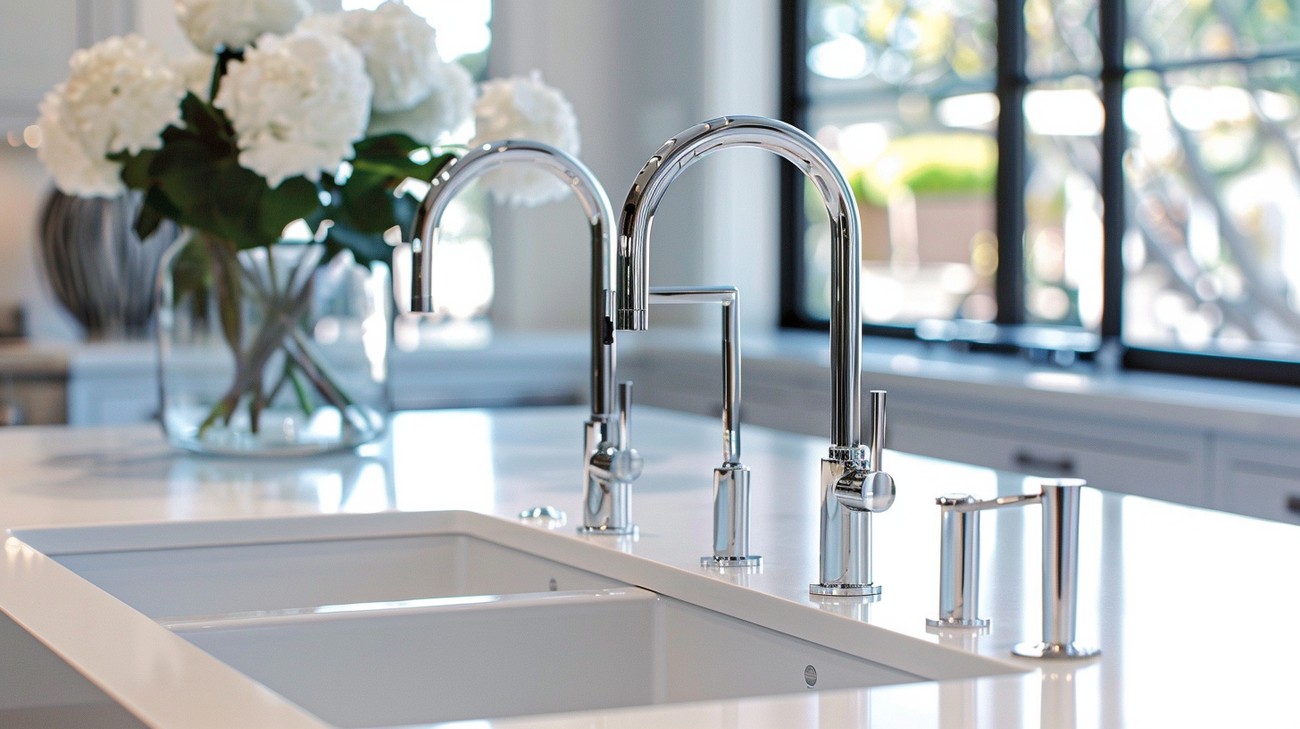
Step-by-Step Guide
Tools and Materials Needed
Here’s everything you’ll need:
- Phillips and flathead screwdrivers
- Pipe wrench and adjustable wrench
- Basin wrench
- Teflon tape
- Plumbing putty
- Hacksaw or PVC cutter
- Bucket or a large bowl
- Tape measure
- PVC glue and primer
- P-trap kits
- Double sink drain assembly
- Supply tubes
- Towels or rags
- Utility knife
- Level
Preparation Steps
-
Read the Manufacturer’s Instructions: Before you begin, take a few minutes to read through any instructions provided by the sink or plumbing kit manufacturer. This ensures you’re using everything correctly.
-
Turn Off the Water Supply: Locate the water valves under your sink and turn them off. If you don’t have individual shut-off valves, turn off the main water supply to your home to avoid a messy situation.
-
Clear the Area: Make sure the cabinet under your sink is empty. Give yourself space to move around and lay all your tools nearby for easy access.
-
Remove the Old Sink Components: If you’re replacing an existing setup, carefully remove the old sink and plumbing. Disconnect the water supply lines with a wrench. Use a bucket to catch any dripping water.
Instructions for Installing Double Sink Plumbing
-
Install the Drain Assembly: Start with the sink strainers. Apply plumbing putty around the edges and insert them into the drain holes. Secure them from below with a washer and locknut.
-
Connect the Tailpieces: Attach the tailpieces to each sink strainer. Wrap the threaded ends with Teflon tape to ensure a watertight connection.
-
Join the Tee Fitting: Measure the distance between the tailpieces using your tape measure. Cut your PVC pipes to size and connect each tailpiece to the tee fitting using PVC glue. Make sure to prime the PVC before applying glue. This forms the main pathway for water from each sink.
-
Attach the P-Trap Assembly: Connect the P-trap assembly to the tee fitting. You may need to adjust the P-trap’s height and placement, ensuring it aligns correctly with your wall drain pipe. Secure it with slip nuts, ensuring all washers are in place.
-
Install Valves to Supply Lines: Beneath the sink, install water supply valves if they aren’t already in place. Connect the hot and cold supply lines to the respective valves using compression fittings.
-
Connect the Faucet: Install your faucet according to the manufacturer’s instructions. Attach the supply tubes to the faucet’s inlet pipes.
-
Check for Leaks: Turn on the water supply and let both sinks fill up with water, then let them drain at once. Check all connections for leaks. If you spot wet areas, tighten the connections and recheck.
Tips for Success
- Keep an Organized Workspace: Having a clean and organized workspace will save time and reduce stress.
- Measure Twice, Cut Once: Always double-check your measurements before cutting any pipe to avoid waste and errors.
- Avoid Over-Tightening: When tightening joints, ensure they’re snug but not too tight to prevent damage.
What to Do if Something Goes Wrong
- Leaky Joints: If you notice leaks, first check if all washers are seated properly, and ensure all connections are tight and sealed with Teflon tape.
- Water Not Draining Properly: This usually means there’s a blockage or an alignment issue. Check for debris clogging the drain and ensure the P-trap is positioned correctly.
- Low Water Pressure: Double-check that all valves are fully open. If this doesn’t fix it, inspect the faucet for possible blockages.

Common Mistakes to Avoid
Mistake 1: Incorrect Pipe Measurements
Why it Happens: You’re excited to get started and guess the pipe lengths rather than measuring precisely. Guesswork leads to pipes that don’t fit properly, causing potential leaks or inefficiencies.
How to Avoid It: Always measure twice and cut once. Use a tape measure to ensure that you get the correct pipe length that aligns perfectly with your double sinks.
What to Do If You’ve Made the Mistake: If you’ve cut the pipes too short, you may need to purchase couplings and additional pipe segments to extend them. For pipes cut too long, use a pipe cutter to make additional adjustments.
Expert Recommendation: A professional plumber advises laying out all parts first and dry fitting them before making any cuts. This helps ensure a precise fit.
Mistake 2: Ignoring Ventilation Needs
Why it Happens: Many people forget or underestimate the importance of proper ventilation, thinking it’s more related to HVAC systems or showers.
How to Avoid It: Ensure your plumbing design includes an air admittance valve or a vent pipe to prevent water from stagnating and to maintain proper drainage pressure.
What to Do If You’ve Made the Mistake: If ventilation is overlooked, consider installing an air admittance valve at a convenient position under the sink to address the issue.
Expert Recommendation: An expert suggests conducting a smoke test to identify any existing ventilation problems and address them promptly.
Mistake 3: Wrong Type of Trap
Why it Happens: With various options available, such as S-traps and P-traps, it’s easy to choose incorrectly if you’re unsure of their applications.
How to Avoid It: Always select a P-trap for double sink plumbing, as it’s designed to prevent sewer gases from entering your home and works efficiently with vented plumbing systems.
What to Do If You’ve Made the Mistake: If you’ve installed the wrong trap, it’s crucial to replace it with a P-trap to ensure compliance with plumbing codes and optimal function.
Expert Recommendation: Consult local building codes or a professional plumber to ensure that your setup meets the required standards.
Mistake 4: Skipping the Level Check
Why it Happens: When you’re rushing, checking that everything is level might seem trivial, but it’s crucial for proper drainage.
How to Avoid It: Use a spirit level to ensure that all pipes are aligned correctly, facilitating optimal water flow and preventing backflow issues.
What to Do If You’ve Made the Mistake: If you realize things aren’t level, use adjustable slip joint connections to re-align the pipes without needing extensive rework.
Expert Recommendation: Use adjustable pipe supports that allow fine-tuning after initial installation, saving time and effort.
Mistake 5: Over-tightening Connections
Why it Happens: You might think tightening connections as much as possible will prevent leaks, but this can actually strip threads or crack fittings.
How to Avoid It: Tighten connections until they’re snug, then give them an extra quarter-turn. This should be just enough to secure the connection without risking damage.
What to Do If You’ve Made the Mistake: If threads are stripped or fittings cracked, replacement parts will be necessary. Consider using Teflon tape for a tighter seal on re-installed connections.
Expert Recommendation: A seasoned plumber advises using specialized plumbing wrenches that have torque indicators to prevent over-tightening.
Mistake 6: Not Testing for Leaks
Why it Happens: It’s easy to assume everything is fine once installed, overlooking a thorough leak test due to overconfidence.
How to Avoid It: After completing the installation, run water through both sinks and observe all connections for any signs of dripping.
What to Do If You’ve Made the Mistake: Address any leaks immediately by re-tightening connections or applying pipe sealant. It’s important to fix even minor leaks to prevent water damage.
Expert Recommendation: Conduct a pressure test using a simple pressure gauge and see if the system holds or loses pressure. This will determine the presence of any leaks.
Final Thoughts
When it comes to double sink plumbing, ensuring a proper installation and maintenance routine is key to enjoying all the benefits without the hassle of leaks or clogs. A well-planned setup not only enhances your kitchen or bathroom’s functionality but also adds value to your home, especially for those of us serving homeowners in Lexington, KY who appreciate the convenience of having two sinks.
If you’re considering an upgrade or need assistance with your current double sink plumbing, we at KYPD Plumbing are here to help. Our team is ready to answer your questions, assess your plumbing needs, and provide you with the expert guidance you can trust. Don’t hesitate to reach out to us for a consultation or to request a free estimate—we’re excited to assist you in making your plumbing work efficiently for your home!